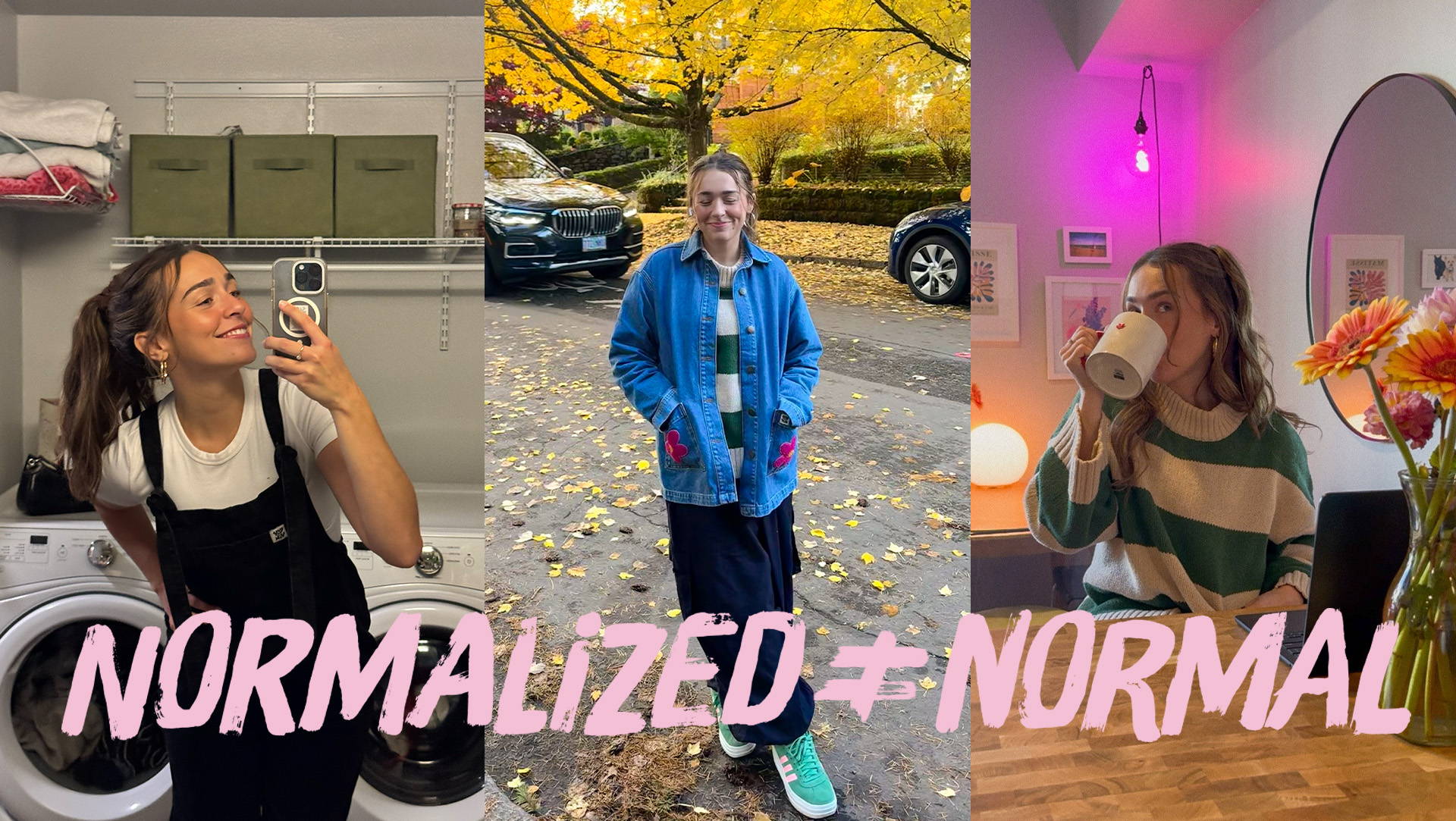
Normalized ≠ Normal
As part of our latest campaign ‘Let’s Talk About It’, we want to shine a light on the hidden pain that many people suffer, to help remove the taboo that persists around periods and pain - in particular, endometriosis, which affects around 1.5 million people in the UK alone.
Meet Emma Maxwell, an online advocate for those living with endometriosis, adenomyosis, PCOS, chronic pain, and more. Through her social channels @endometriosisem it’s become Emma’s passion to share her life online, highlighting the dynamic nature of what it means to live with these conditions. Her drive is to show up as the person she needed when she was younger, to hopefully help others feel less alone.
It’s likely that “painful periods are normal” is a phrase you’ve heard if you’re someone who experiences painful periods. Whether you’ve heard it from your family, teachers, medical professionals, friends, or romantic partners - it’s a myth that runs rampant in our world. The impact of this all too common phrase can be detrimental to those living with conditions like endometriosis, adenomyosis, PCOS, or fibroids, just to name a few.
Why are people so quick to write off pain if that person has a vulva? Yes, I said it. Vulva.
Endometriosis is one of the 20 most painful conditions in the world. It’s a full-body inflammatory condition that affects at least 1 in 10 people assigned female at birth. It’s been found on every major organ in the body, which has the potential to destroy those organs.
Oh, and there’s no cure.
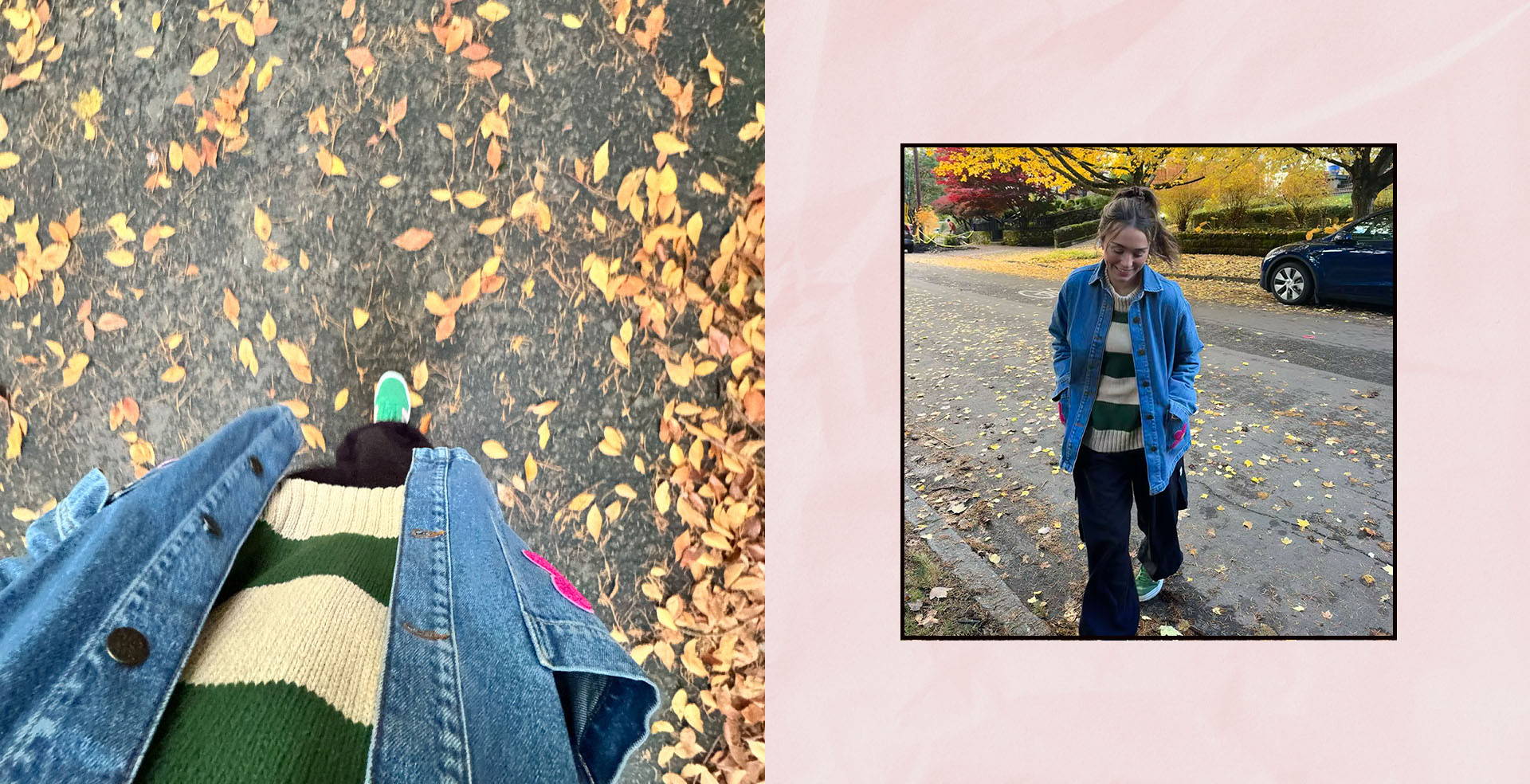
Yet, people are so quick to write that pain off as “well yeah, but painful periods are normal”, “that’s what everyone goes through”, “you’re just being dramatic”, “look at you, it can’t be that bad if you’re smiling”, “you just want attention”.
So why are we still dismissed when the pain is 24/7? Oh, right, it’s probably “just anxiety”. Is it really normal to be in pain 24/7? It seems like a simple question, right? So why does it take an average of 7-10 years to get an endometriosis diagnosis?
As someone who got her period at 13 years old and received my endo diagnosis 7 years later, it’s something I still don’t understand. It’s not that the signs weren’t there. It’s not that I wasn’t asking for help. It was that my pain wasn’t taken seriously. The pain that was taking over my life was minimized time and time again, as if I was making it up. They’d run the same tests and tell me that everything came back “normal”; therefore, nothing was wrong with me.
When I was vocal about the pain that was taking over my life, I was met with medical professionals who assured me at 15 years old that I just needed to get on birth control, and that would be the fix. I rapidly cycled through different forms of birth control and hormones from the ages of 15-20 years old, none of which worked for me. I also had an IUD placed, which was removed 6 months later due to the pain it was causing. I was then put on a prostate cancer drug that put me through medically induced menopause at 20 years old.
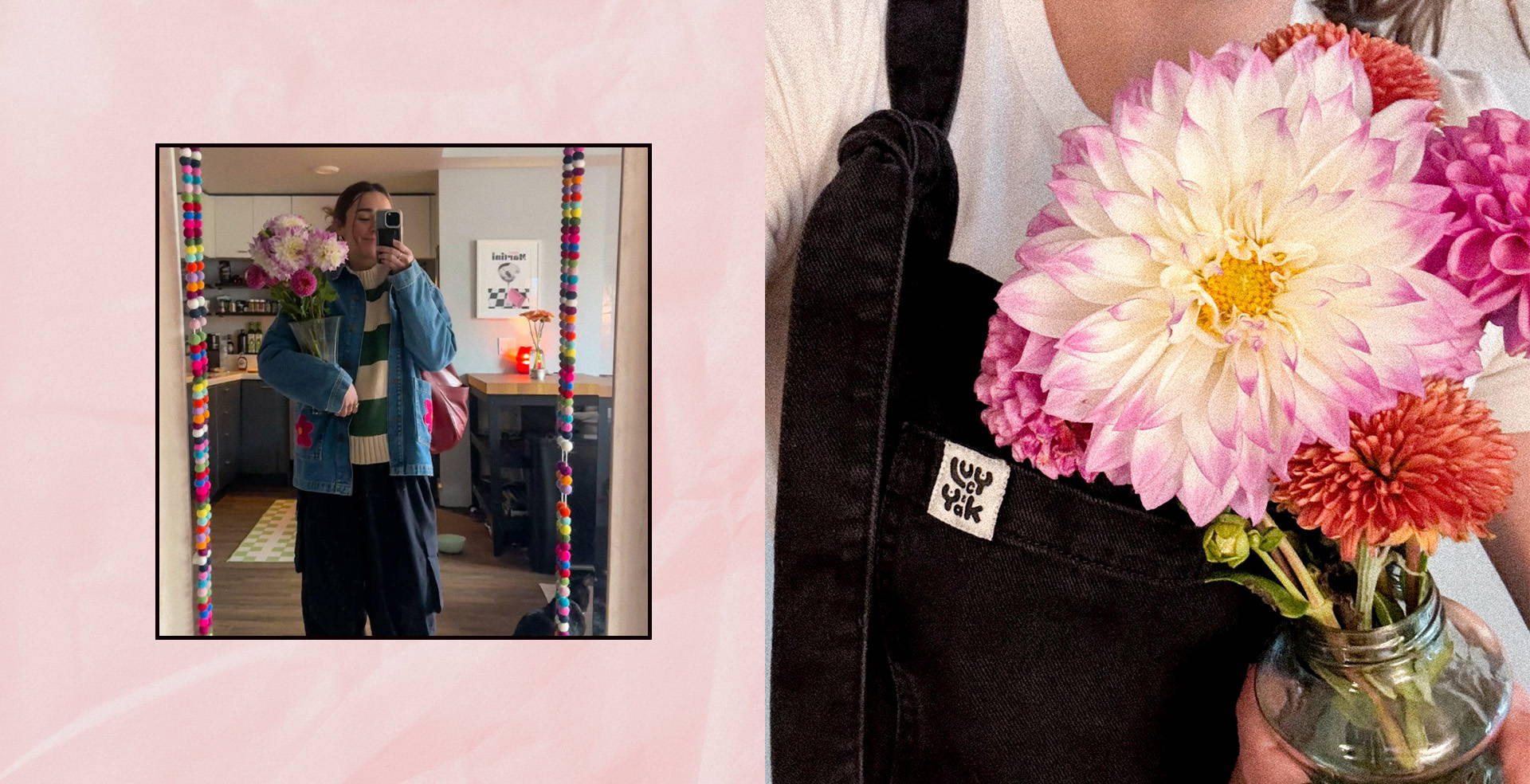
I eventually stopped seeking help and convinced myself that I was crazy. I disconnected from my body because the people that I was supposed to trust made me feel like they knew my body better than I did, and that I simply couldn’t handle pain.
If the people in my life are telling me it’s normal, my doctors are saying my tests are coming back normal, and that some people “just can’t handle pain like others”, then I must be weak. I must be crazy. So, I stopped seeking help - until I couldn’t ignore it anymore. I knew that something was wrong. I wasn’t able to eat or drink small amounts without excruciating pain. I was chronically constipated. I’d lose feeling in my legs. I had sharp shooting/pulling pains in my ribs. This kind of pain became a part of my day-to-day. It was luck that I eventually found an OBGYN who sat me down at our first appointment and told me that he thought I had endometriosis. I laughed and said, “no I brought this up before, I don’t have endo”. Which he followed with “well did you have surgery?” I said no, and he scheduled me for a diagnostic laparoscopy 2 weeks later.
The diagnosis that followed this surgery validated the pain that I had been living with for so long. Getting diagnosed with a condition that has very little research or funding and has no cure is daunting, to say the least. But even more, the diagnosis helped me make sense of the pain that I had convinced myself I was just making up. Something really was wrong. I wasn’t crazy. At the time, I didn’t realize the importance of seeking out a vetted endometriosis excision specialist, so that surgery left me with further complications. 2.5 years later, I had a surgery with an endometriosis excision specialist who confirmed I had widespread, deep-infiltrating, atypical endometriosis, as well as diffuse adenomyosis. They found adhesions pinning my colon to my ribs, on my bowels, on the left and right sidewalls of my stomach, on my left and right pelvic brim, on my ovarian suspensory ligament, my vagina, my rectum, my anterior cul-de-sac, and more. And with that came the insight that my organs are “terribly irritated and inflamed,” as my surgeon put it, and that endo was creating its own abnormal blood vessels throughout my body.
Not only did I have endo, I had a lot of it, and its impact was far more than anyone could have anticipated.
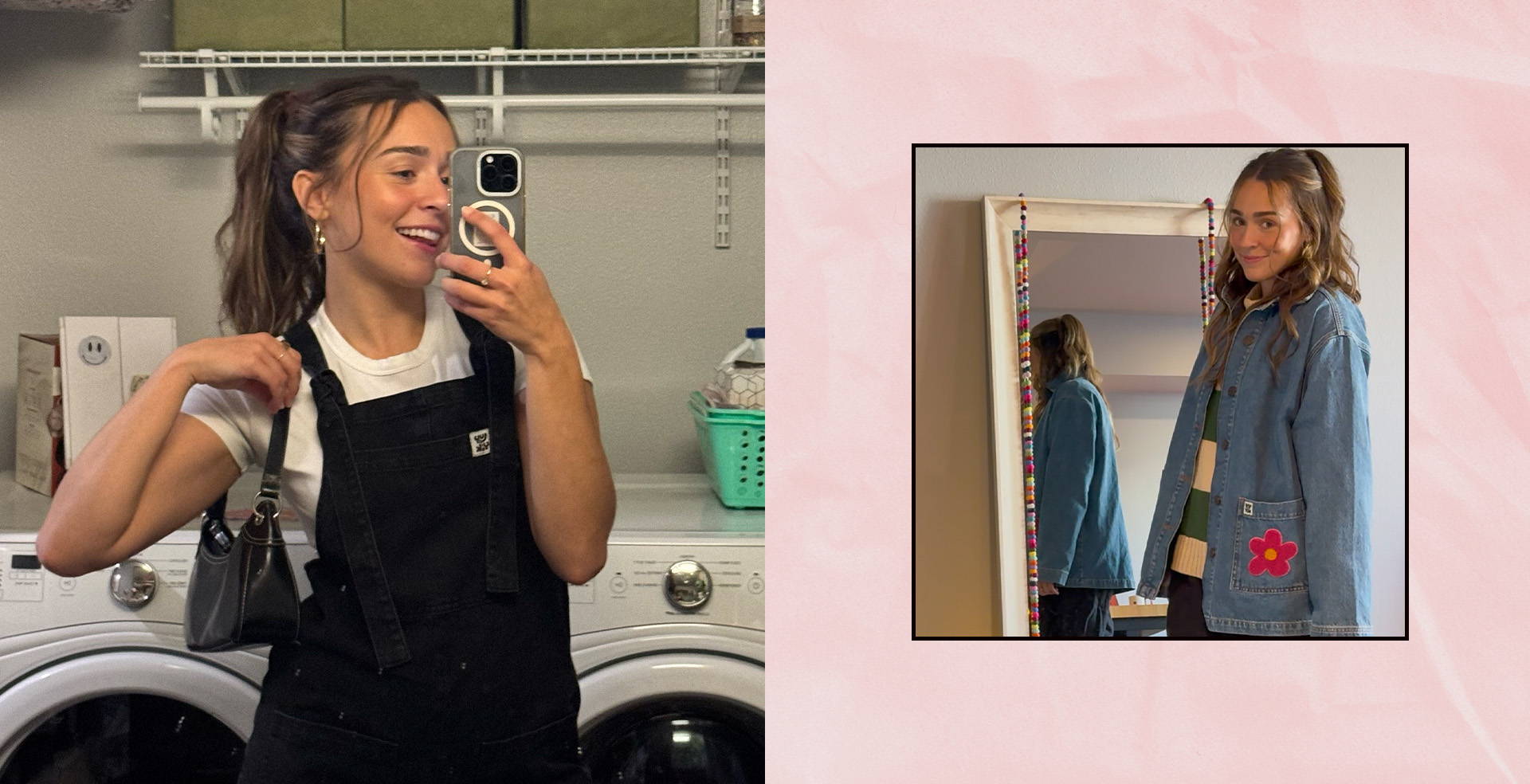
Painful periods are NOT normal.
I’ll continue to scream from the rooftops because I know there are so many people out there in debilitating pain simply looking for relief, but are being met with people invalidating their pain, making them feel crazy.
If you have pain that’s taking you out of your daily activities, or if you should be staying home because of the pain, but you’ve learned to just “push through”, something else is going on and you deserve answers and relief.
If you’re looking for a place to start to learn more, the online community is an incredible resource. I’ve learned more from the online community than I have from my providers, which is a sad and common truth.
Some resources I found helpful are:
- Endowhat.com - along with the films EndoWhat and Below The Belt
- Somedays, Free online Endometriosis Risk Assessment
- Online communities like Endo Friendos, a Facebook group I created to foster a safe space for people to find their community, ask questions, and find people who simply get it
- Endofound.org
Remember - you know your body best. Never let anyone convince you otherwise <3
For this year’s collection, we will be donating 100% of our profits to Endometriosis UK who believe that everyone with endometriosis in the UK has the right to appropriate, high quality treatment regardless of background, identity, location or circumstance.