I Don't Feel 'Normal', That's Why I Make Great Art
-Teaday
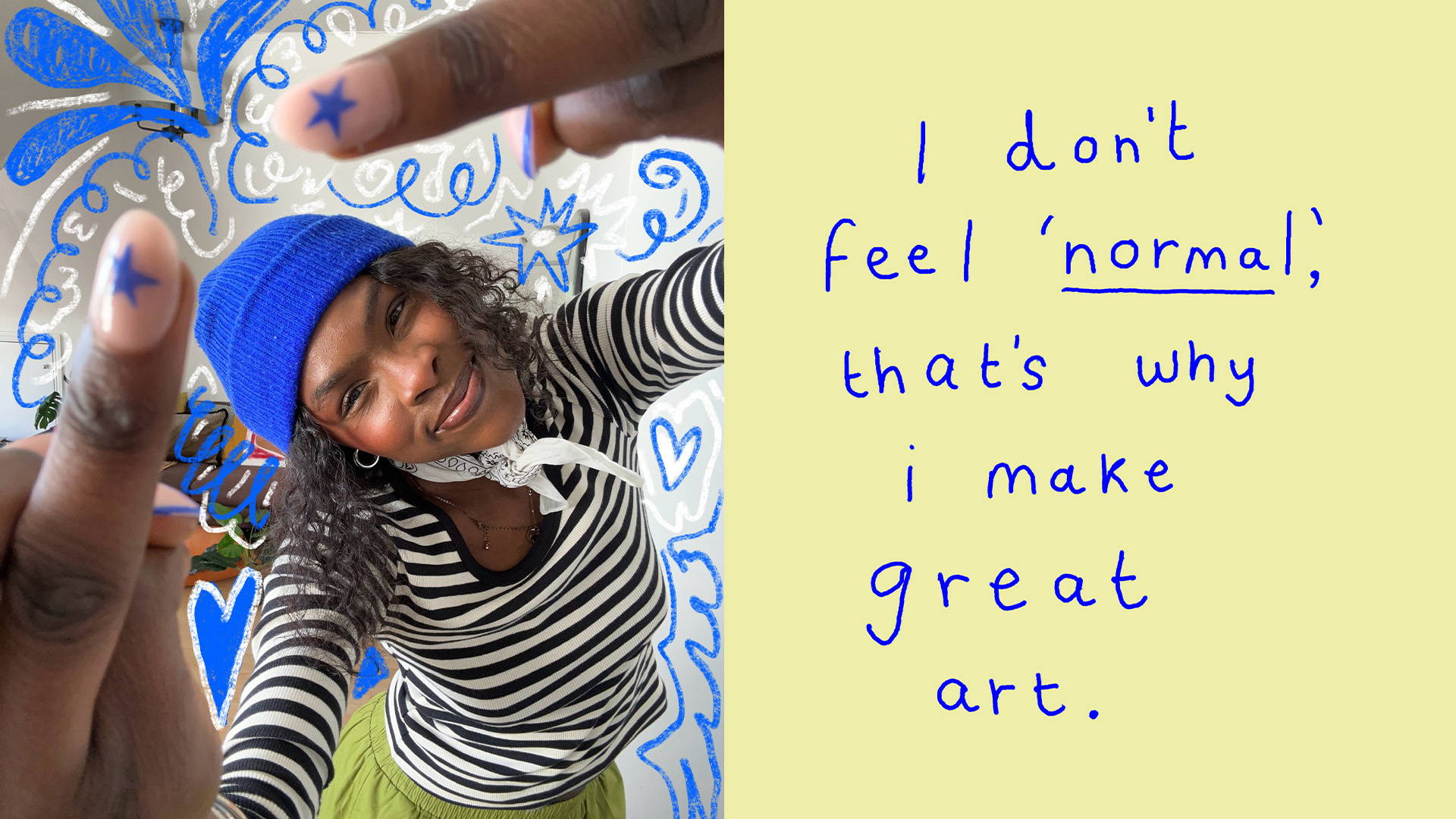
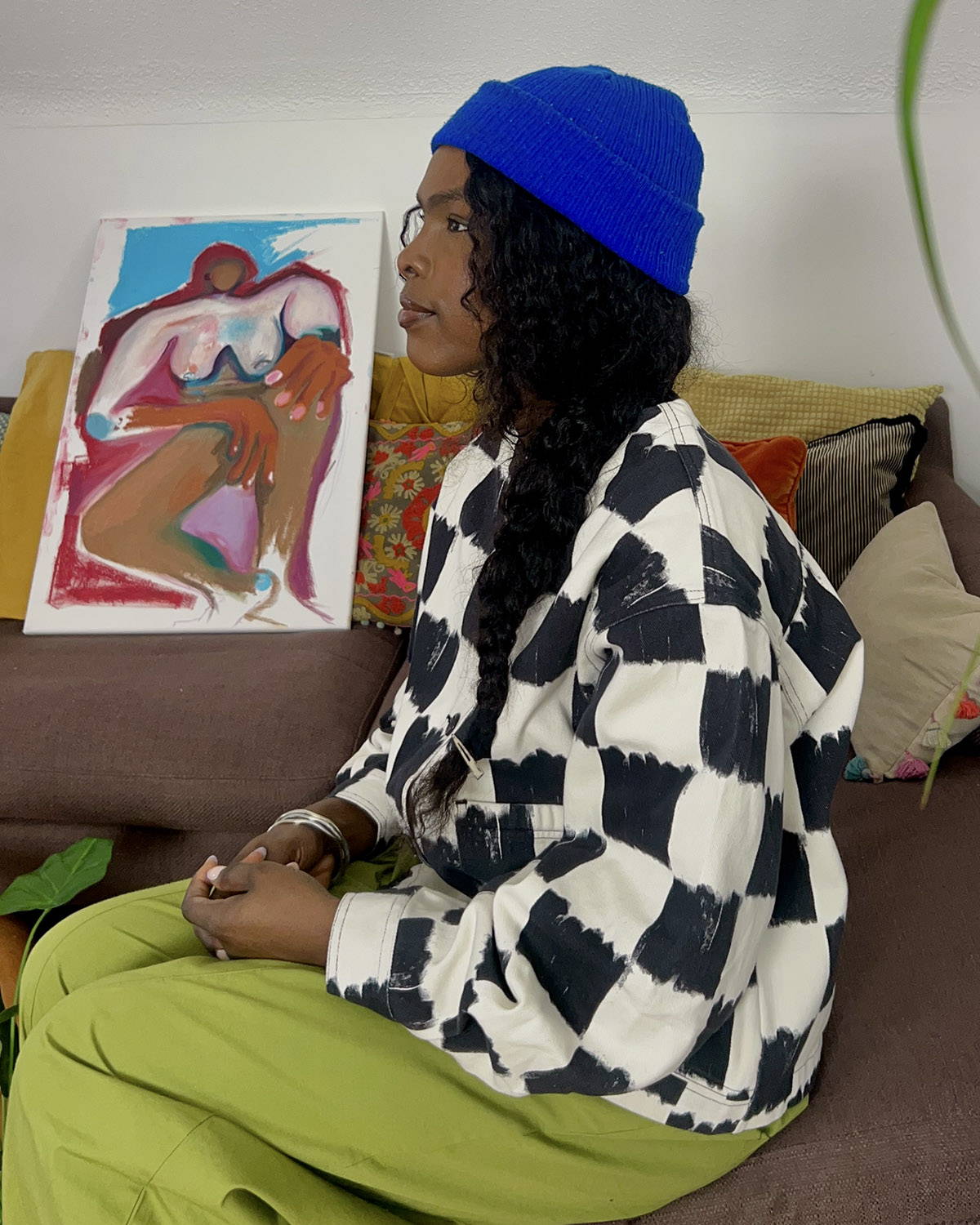
Teadayblogs (Tide) is a multifaceted artist, illustrator, content creator, and video editor. She uses her creativity to explore self-expression, mental health, and the many layers of the human experience. When she’s not encouraging fellow artists online to unleash their creativity through 'flogs', she collaborates with brands like Lucy and Yak, Adobe, and Fairtrade to bring bold, imaginative campaigns to life.
I’ve always had a torrid relationship with the concept of normality. On one hand, I’m convinced that a single sip from the chalice of conformity would solve everything. I would walk through life with ease. Be done with atrophying my mind by way of endless overthinking. Even the streets will start to talk of the mystical woman who bewitched the nation by taking small talk a step further into...Teeny Tiny talk.
It would be wonderful. And yet, on the other hand, I really don’t find any pleasure in remembering what I did last weekend. Once my memories are lost in the mist of yesterday, there's no coming back, I say! Most importantly, though, I owe my strange little brain everything. It’s the very thing that shepherds my art into existence.
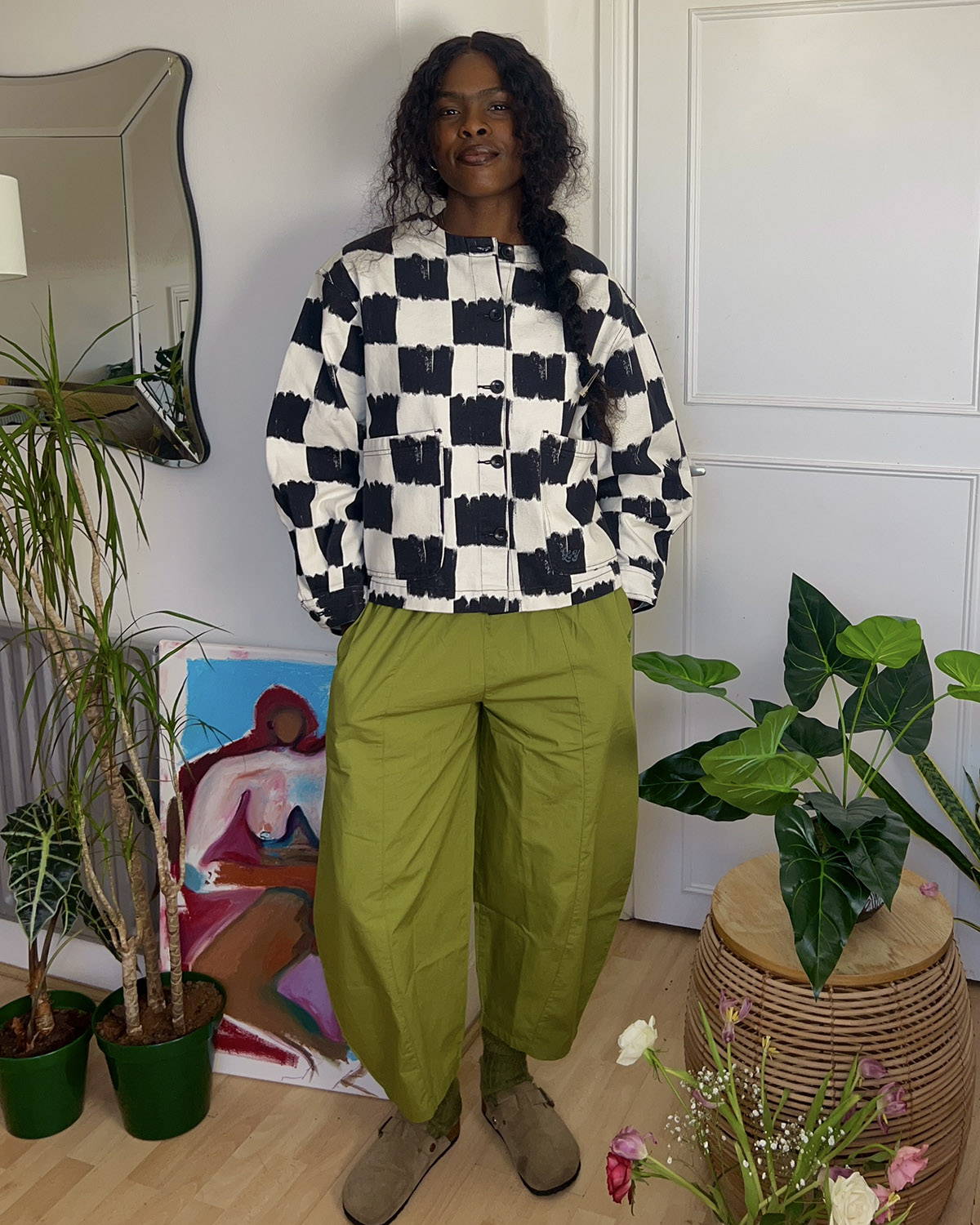
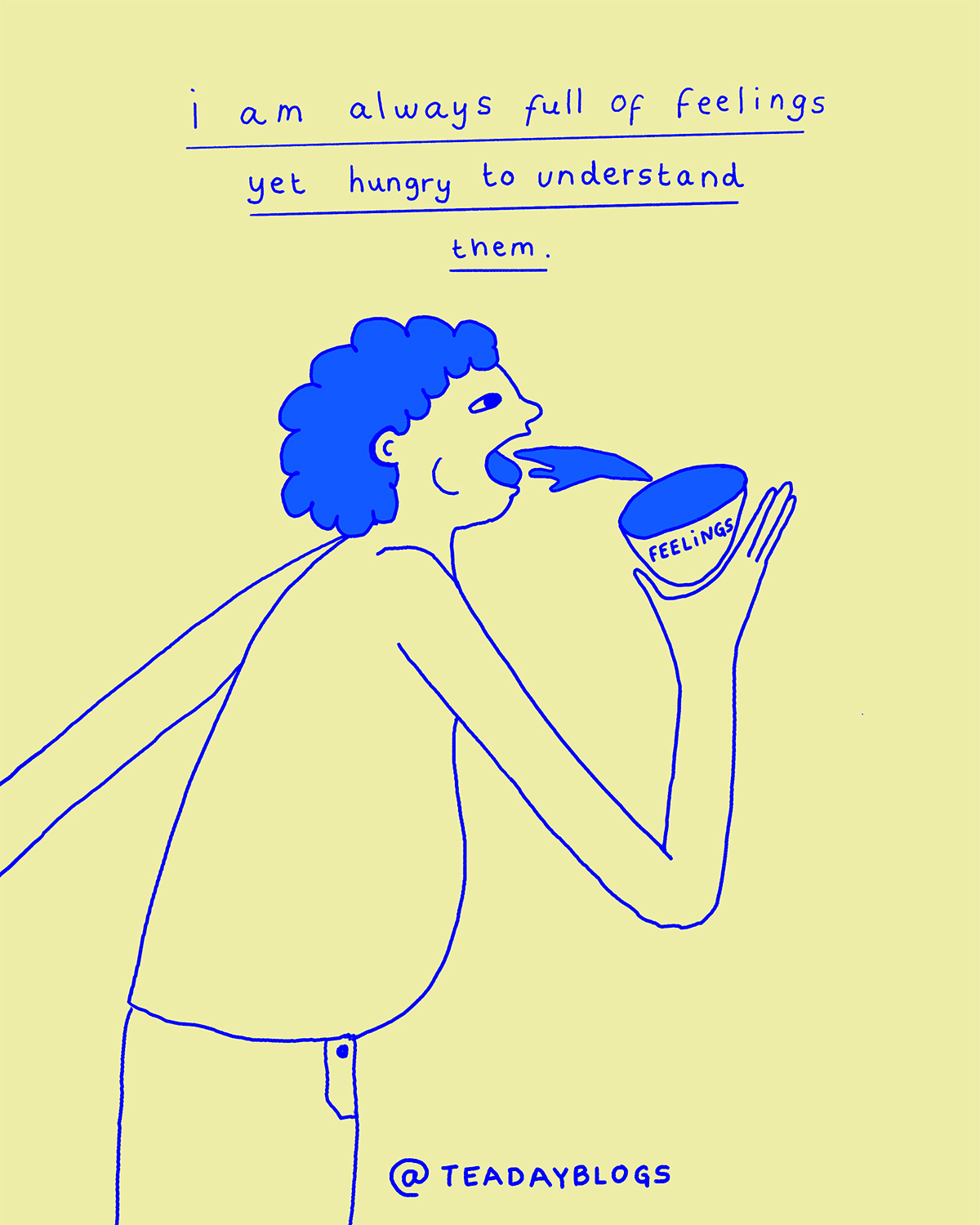
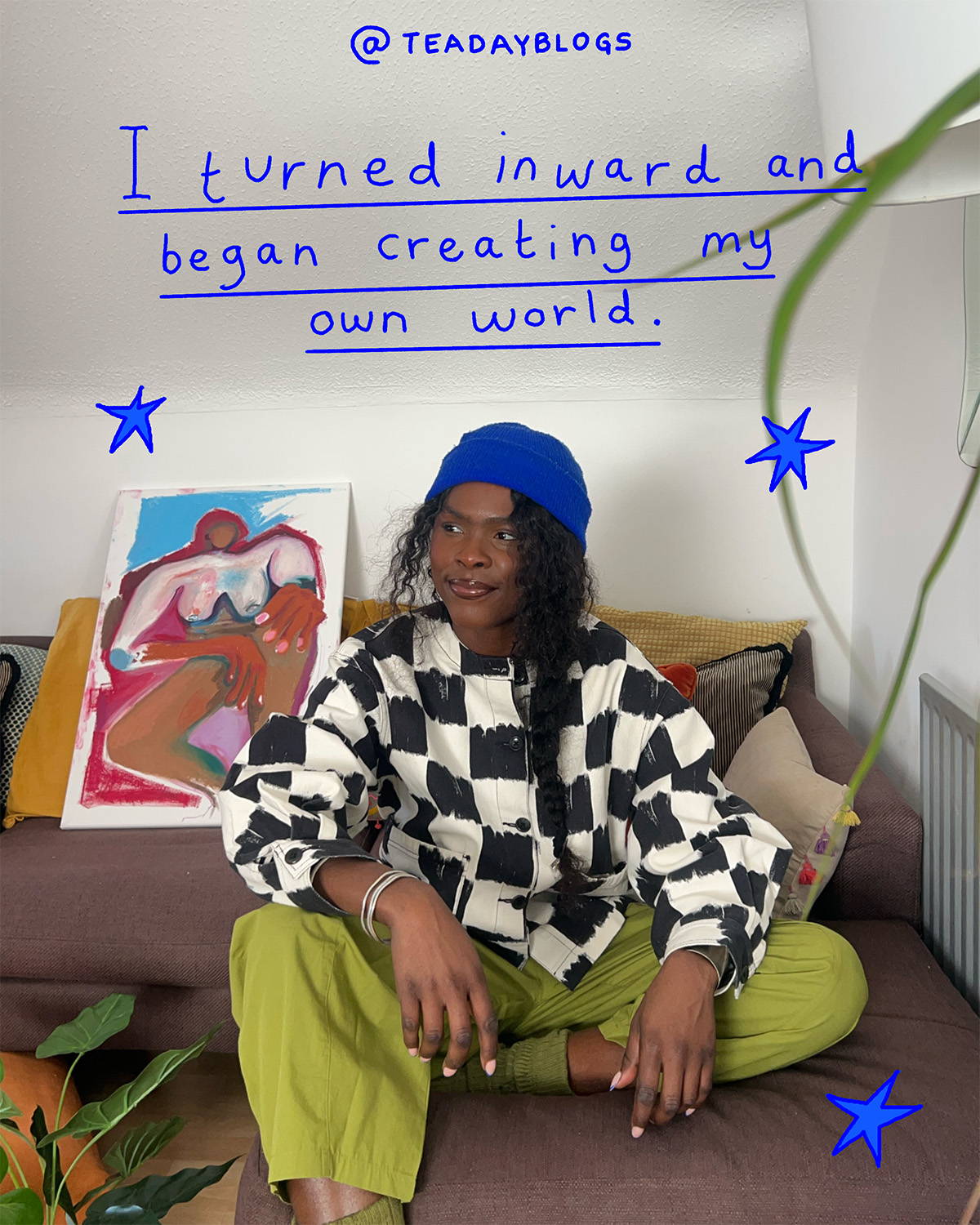
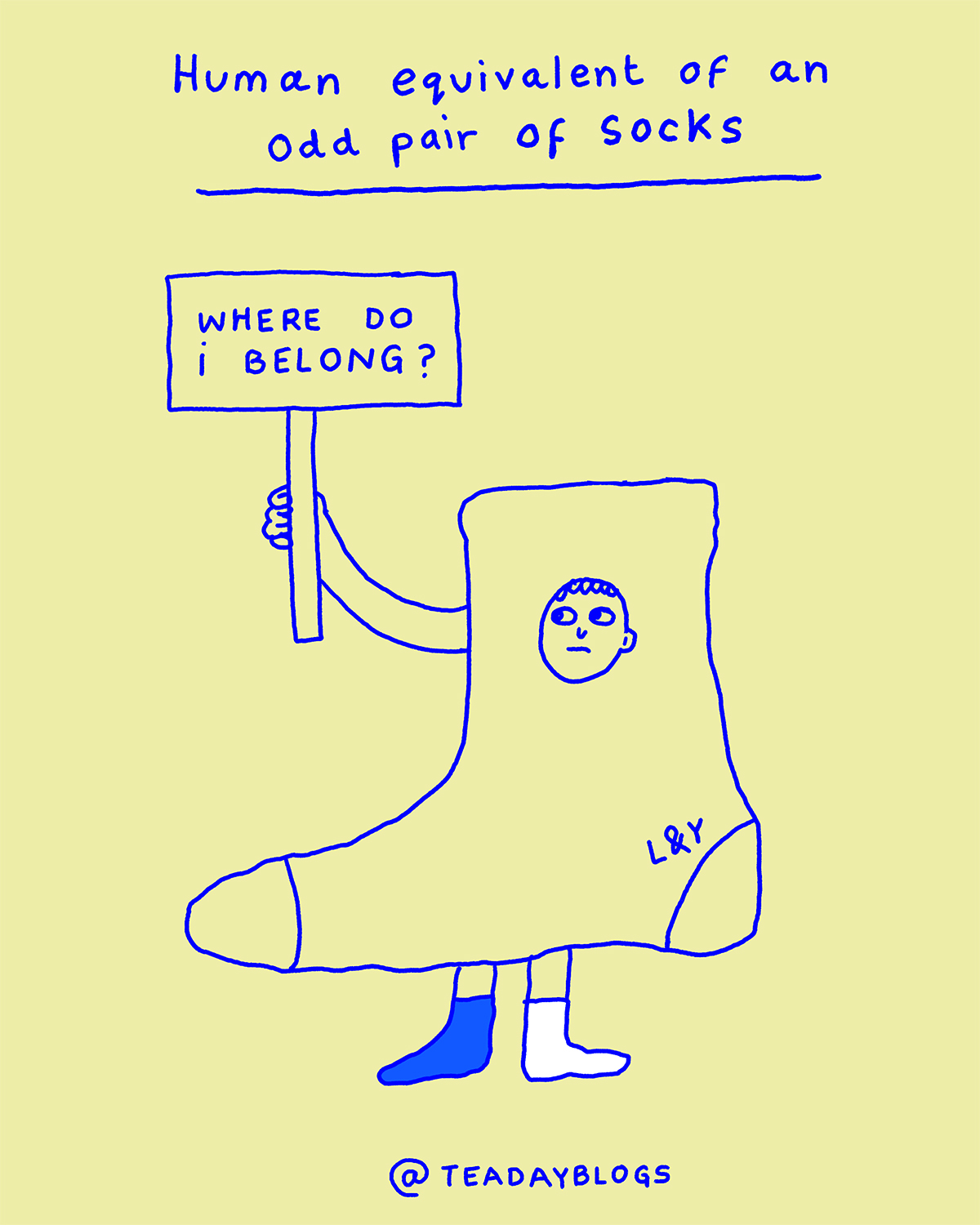
Being neurodivergent has coloured my entire experience of life for better and for worse. The way my mind operates, how it whirrs to the beat of its own idiosyncratic drum, has always been a double-edged sword. I, personally, don’t know anyone who is neurodivergent and can't relate to growing up feeling like the human equivalent of an odd pair of socks. Which, by the way, I consider très chic. But of course I would say that...I’ve always been one. To cope with that sense of painful difference, I turned inward and began creating my own world. In that world, my hurried thoughts and oversized feelings finally had space to momentarily settle and share themselves with me. Although they resided in me, we often felt like strangers or estranged cousins. I am always full of feelings yet hungry to understand them.
Listen, I’m not one of those people who would ever claim that being neurodivergent is my superpower. In truth, it’s given me a long-running montage of “Tide is crying on the Tube... again” moments - which are always quite humbling. But I do think this alien feeling inside of me that yearns to belong and make sense of the white-hot absurdity of life is the reason why I will never stop creating. I realised quite young that creativity offered the rhythm, frequency, and flow I needed not just to cope, but to survive.
More than that, my neurodivergence feels like VIP access to the intricacies of human experience. The kind everyone feels, but not everyone can articulate. I think that’s why people often tell me I’ve put words to emotions they didn’t even know they had. And honestly, those are some of the greatest gifts my brain has given me.
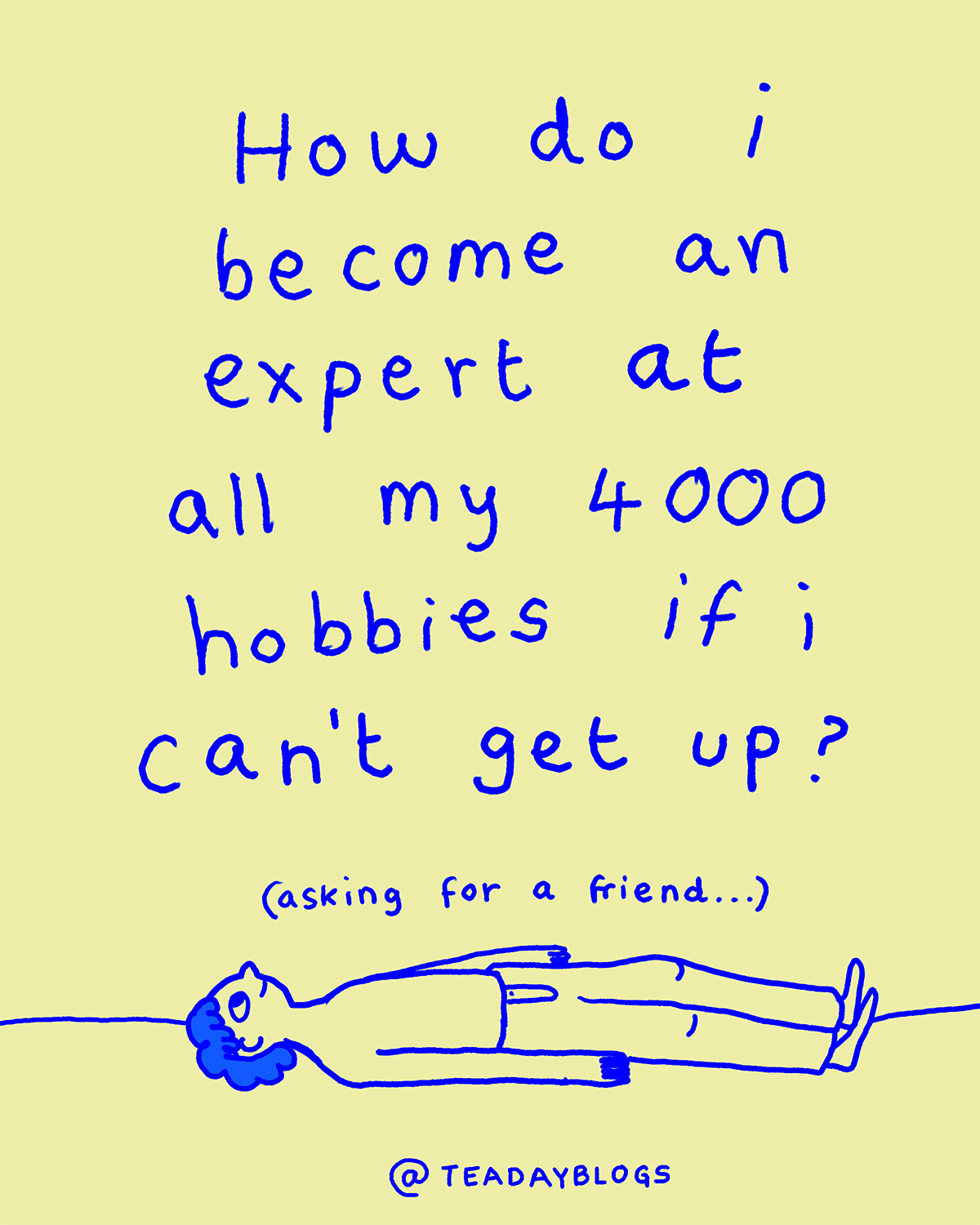
Then again, there are more irritating ways my neurodivergence impacts my creativity. For one, I find allocating adequate time for all 4000 of my creative whims incredibly difficult. I’m under the illusion that I can do everything all at once if only I move fast enough. Spoiler: I can't. I just end up jumping like a grasshopper on uppers and getting absolutely nothing done. And that's on a good day where I have managed to get out of bed in the first place.
A tragic reality in my neurodivergent life is that my physical energy levels are usually spent hyping myself up to complete menial tasks: brushing my teeth, folding the ever-revolving door of laundry that never quite gets done. The rest is often burned on an overproduction of thoughts and ideas. Then there are the sacred days, when I somehow tap into an infinite power reserve and become domesticated, social, and creative. I have to journal those days, just to prove to myself they happened.
And I think that speaks to the relationship between my neurodivergence and my creativity, high highs and low lows. I may never get the opportunity to humble-brag about being the CEO of Teenie Tiny Talk, but I'm proud that I’ve found my very own way of creatively working with my brain, rather than against it.